
Prayer Times & Qibla
Prayer Times and Qibla: How They Work and How to Never Miss a Prayer
Understand how the five daily prayer times are calculated, what the qibla is and how to find it, and how reminders help you pray on time every day.
5 min read
In short
Prayer times are calculated from the sun's position at your exact coordinates, so they shift a little every day and differ from one city to the next. The Qibla is the direction of the Kaaba in Makkah, found with a compass that corrects for magnetic declination. An app updates both automatically as you travel.
How prayer times are determined
The five prayer times follow the sun, so they shift slightly each day and vary by location. Fajr begins at true dawn, Dhuhr just after the sun passes its zenith, Asr in the afternoon, Maghrib at sunset, and Isha when twilight disappears.
Because these depend on your latitude and the season, accurate times are calculated from your location rather than a fixed clock.
إِنَّ الصَّلَاةَ كَانَتْ عَلَى الْمُؤْمِنِينَ كِتَابًا مَّوْقُوتًا
“Indeed, prayer has been decreed upon the believers at specified times.”
What is the qibla?
The qibla is the direction Muslims face during prayer: towards the Kaaba in Mecca. Facing it correctly is a condition for a valid prayer, so knowing your direction wherever you are matters.
A qibla compass uses your device's location and sensors to point you towards Mecca from anywhere in the world.
فَوَلِّ وَجْهَكَ شَطْرَ الْمَسْجِدِ الْحَرَامِ ۚ وَحَيْثُ مَا كُنتُمْ فَوَلُّوا وُجُوهَكُمْ شَطْرَهُ
“So turn your face toward al-Masjid al-Haram. And wherever you are, turn your faces toward it.”
How to never miss a prayer
Timely prayer is one of the deeds most beloved to Allah. The simplest way to protect it is to receive a reminder at each prayer time so a busy day never pushes salah out of mind.
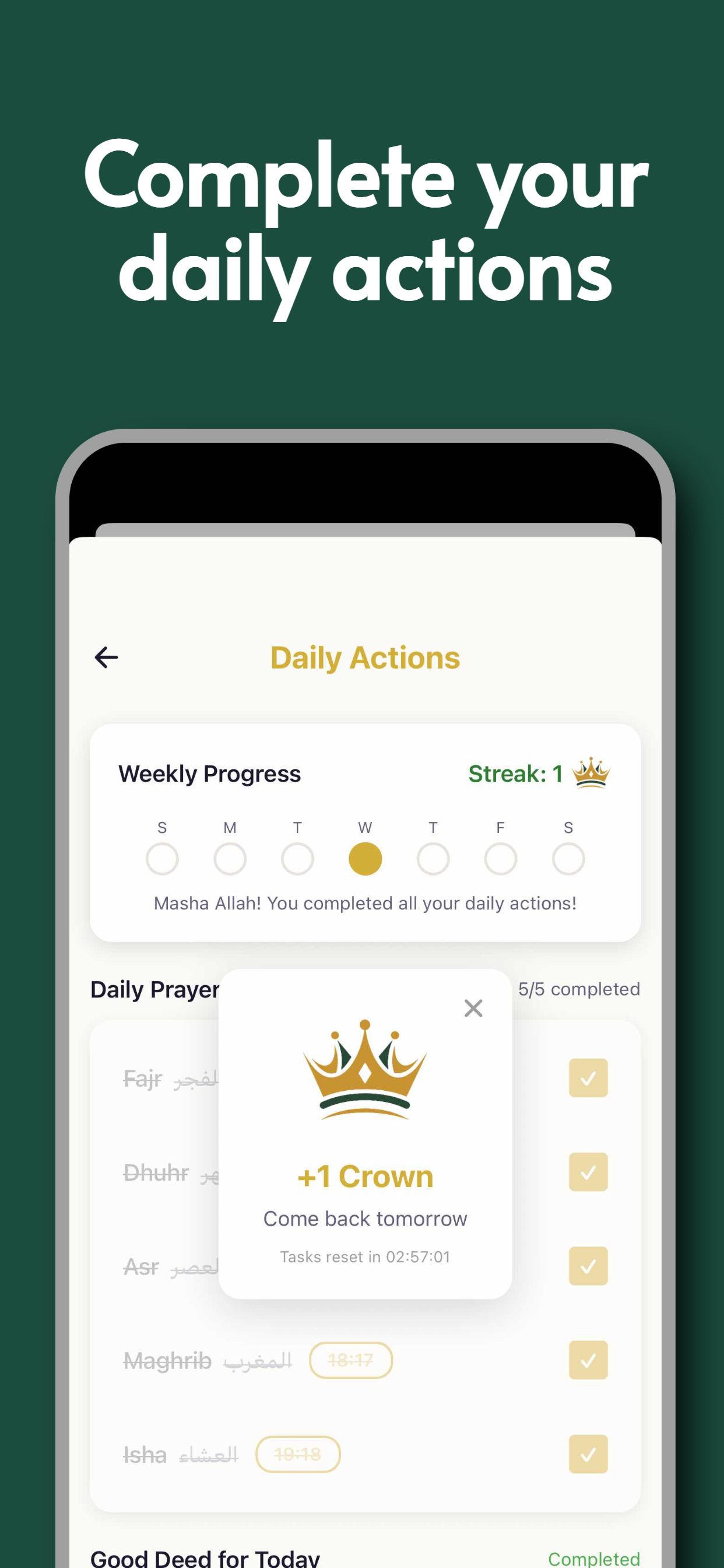
Tariq calculates accurate prayer times for your location, points you to the qibla, and reminds you at each time — helping you pray consistently and on time.